
If you have ever wondered why a trip to Thailand feels more expensive now than it did in the early 2000s, the answer lies in the exchange rate. Over the past two decades, the Thai Baht (THB) has quietly outperformed the Indian Rupee (INR) and the numbers tell the story.
Table of Contents
The Exchange Rate Journey: THB vs INR
| Year | 1 THB ≈ INR |
|---|---|
| 2005 | INR 1.1 |
| 2013 | INR 1.9 |
| 2019 | INR 2.3 |
| 2024 | INR 2.4 |
| 2025 (Till september 2025) | INR 2.78 |
4 Reasons Why the Baht Stayed Strong
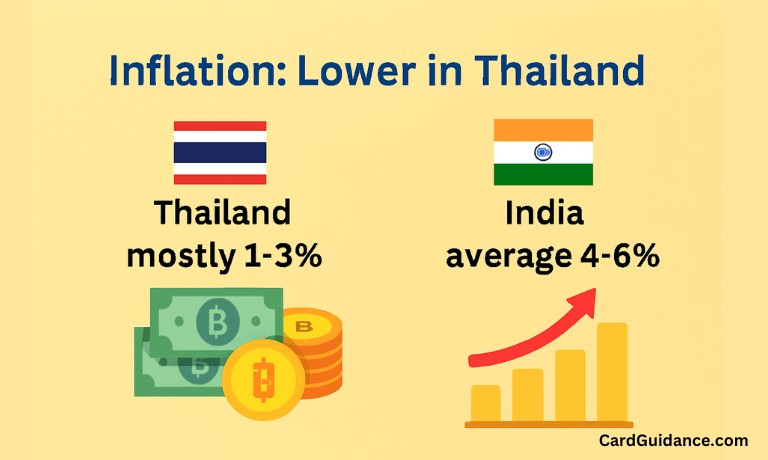
1. Inflation: Lower in Thailand
In Thailand inflation is mostly between 1-3% but in india the average inflation is 4-6% which is much higher as compared to thiland. In Thailand prices are not rising too fast therefore money is not loosing its value quickly.
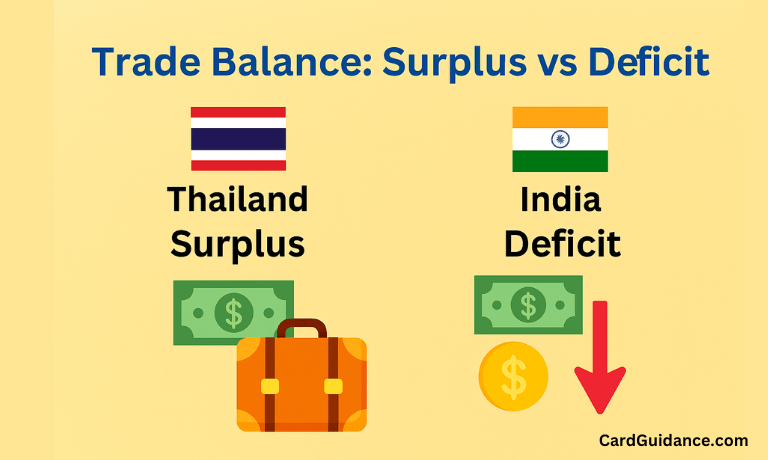
2. Trade Balance: Surplus vs Deficit
Thailand usually earns more dollars than it spends, thanks to strong exports and tourism. This is called a current-account surplus. India often runs a deficit, meaning it spends more dollars than it earns.
3. Tourism & Exports: Thailand’s Dollar Engine
Thailand gets a steady flow of foreign money every year.Tourists from all over the world visit and spend money.The country also sells many products abroad like Cars, Electronics, Packaged food.This brings in a lot of dollars because Thailand earns more than it spends, it often has extra foreign money. In simple words, Thailand saves more than it spends.
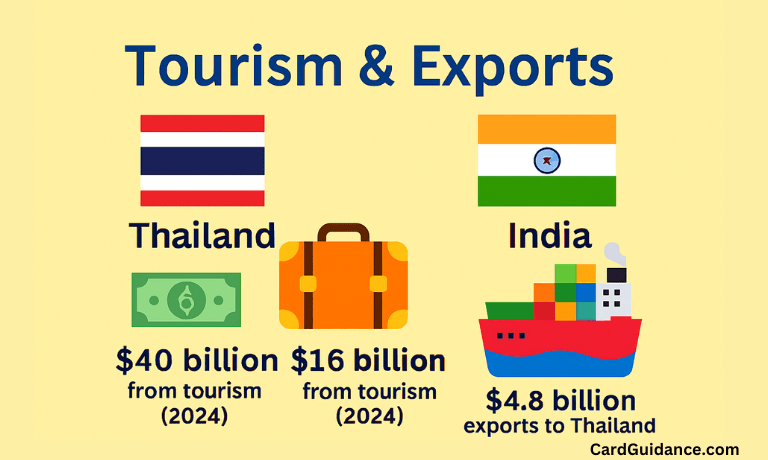
India also exports many goods and services but India has to spend heavily on imports.The biggest import is crude oil.That means more dollars go out than come in.This is called a current-account deficit.Over time, this makes the Indian Rupee weaker.
4. Increasing Oil Dependence Weakens INR
Today India imports nearly 85–88% of its crude oil. When oil prices rise, India’s import bill shoots up, putting pressure on the rupee. Thailand also imports energy, but its trade surpluses give it a cushion.
What It Means for You
- Travelers: A Thai vacation now costs double in rupee terms compared to 2005. What felt cheap earlier is not so cheap today.
- Businesses: Indian importers struggle when the rupee loses value, while Thai exporters benefit from their more stable currency.
- Investors:Exchange rates show the long-term effects of inflation, trade, and government policies. Thailand proves that even a smaller economy can keep its currency strong.
Final Thought
A currency stays strong when a country makes smart choices like promoting tourism and making easy policies for international business. Thailand has been steady for many years, and that’s helped the Baht stay strong.
India’s economy is bigger and growing fast. India has to make good policies for foreign businesses and provide them discounts and ease of business.